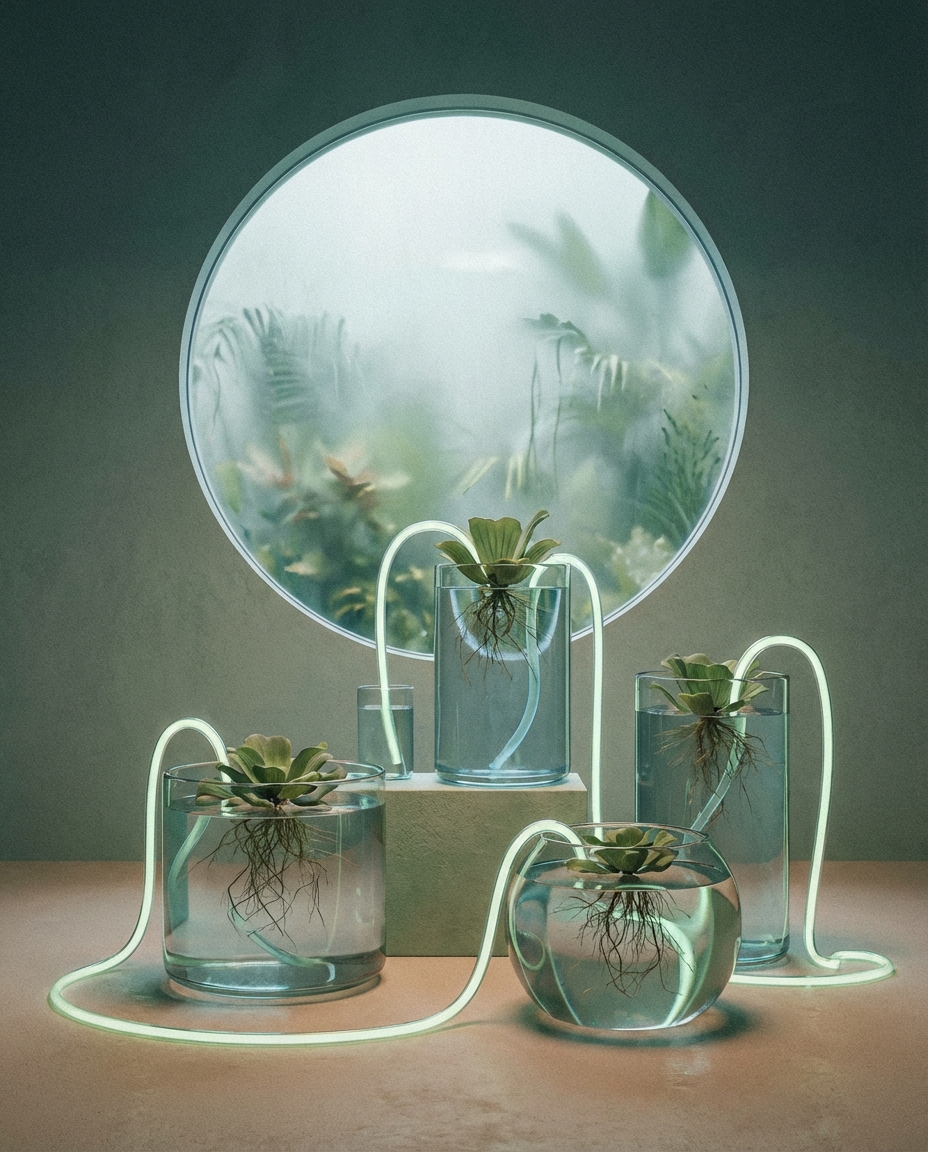
Hydroponic gardening represents a paradigm shift in how we approach cultivation. By removing soil from the equation and delivering nutrients directly to the root zone via water, we achieve a level of precision and efficiency that traditional gardening simply cannot match. Whether you are an urban dweller with limited space or an enthusiast looking to maximize yield, this guide outlines the architecture of a successful hydroponic environment.
Why Go Soil-Free?
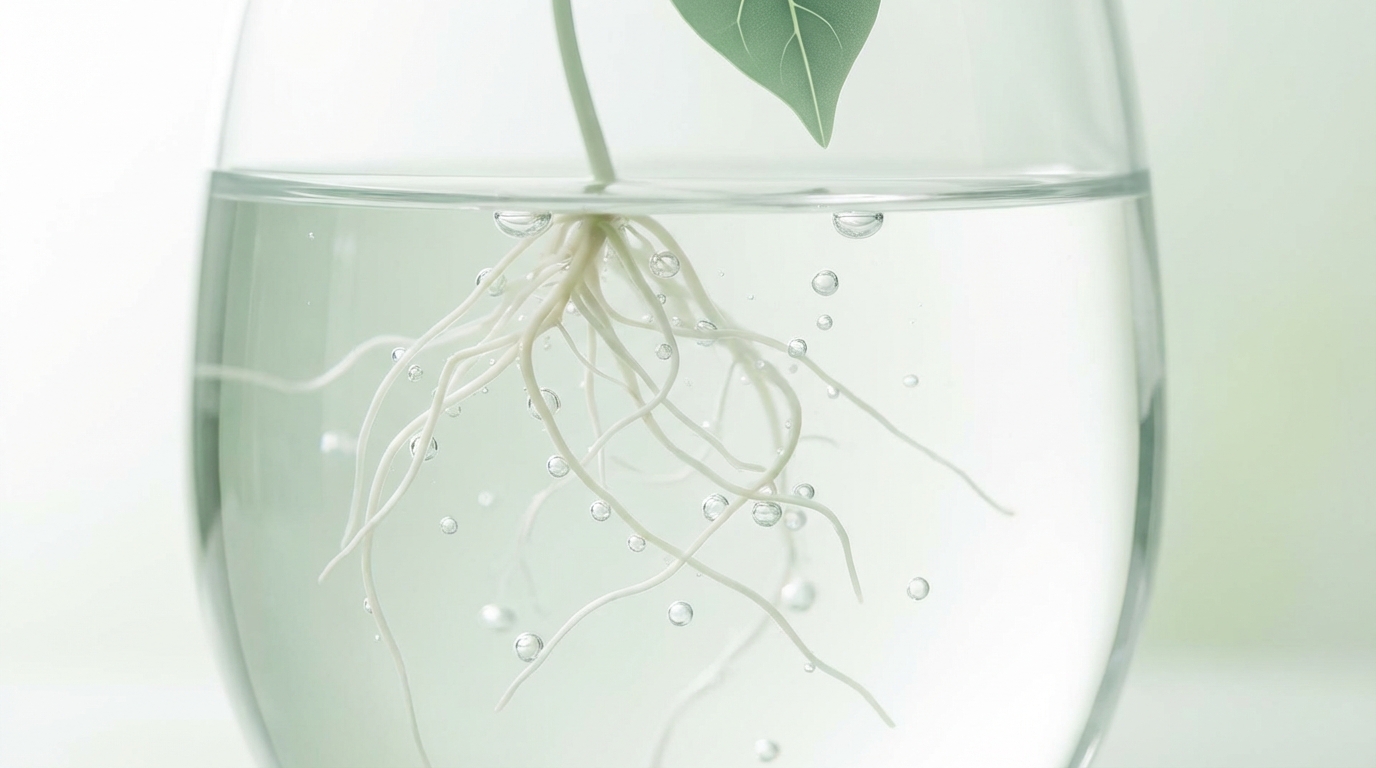
To the uninitiated, removing soil seems counterintuitive. However, soil is merely a medium—a reservoir for nutrients and a structural support. In hydroponics, we replace that medium with inert materials (like clay pebbles or rockwool) or eliminate it entirely, suspending roots in oxygenated, nutrient-rich water.
This approach offers distinct advantages for the modern grower:
- Resource Efficiency: Water is recirculated, reducing consumption by up to 90%.
- Accelerated Growth: Plants do not expend energy searching for food; it is delivered directly to them.
- Space Optimization: Vertical stacking allows for high-density yields in small footprints.
For those taking their first steps, understanding the fundamental mechanics is crucial. We have compiled a detailed primer on the science and history of this method in our Hydroponics 101: The Ultimate Beginner's Guide. It serves as the perfect foundation before diving into complex system mechanics.
Choosing Your System Architecture
Hydroponics is not a monolith; it is a category of techniques. The "best" system depends entirely on your goals, your available space, and the specific crops you intend to cultivate. The spectrum ranges from passive systems with no moving parts to high-tech aeroponic misters.
The most common configurations include:
- Deep Water Culture (DWC): Roots are submerged in aerated water. Simple and effective.
- Nutrient Film Technique (NFT): A shallow stream of water flows past the roots in channels.
- Ebb and Flow: The grow tray is flooded and drained at intervals.
Each method dictates a different workflow and maintenance schedule. To help you navigate these choices, we have analyzed the pros and cons of the major methodologies in our breakdown of the 6 Types of Hydroponic Systems Explained.
Selecting Your Crops
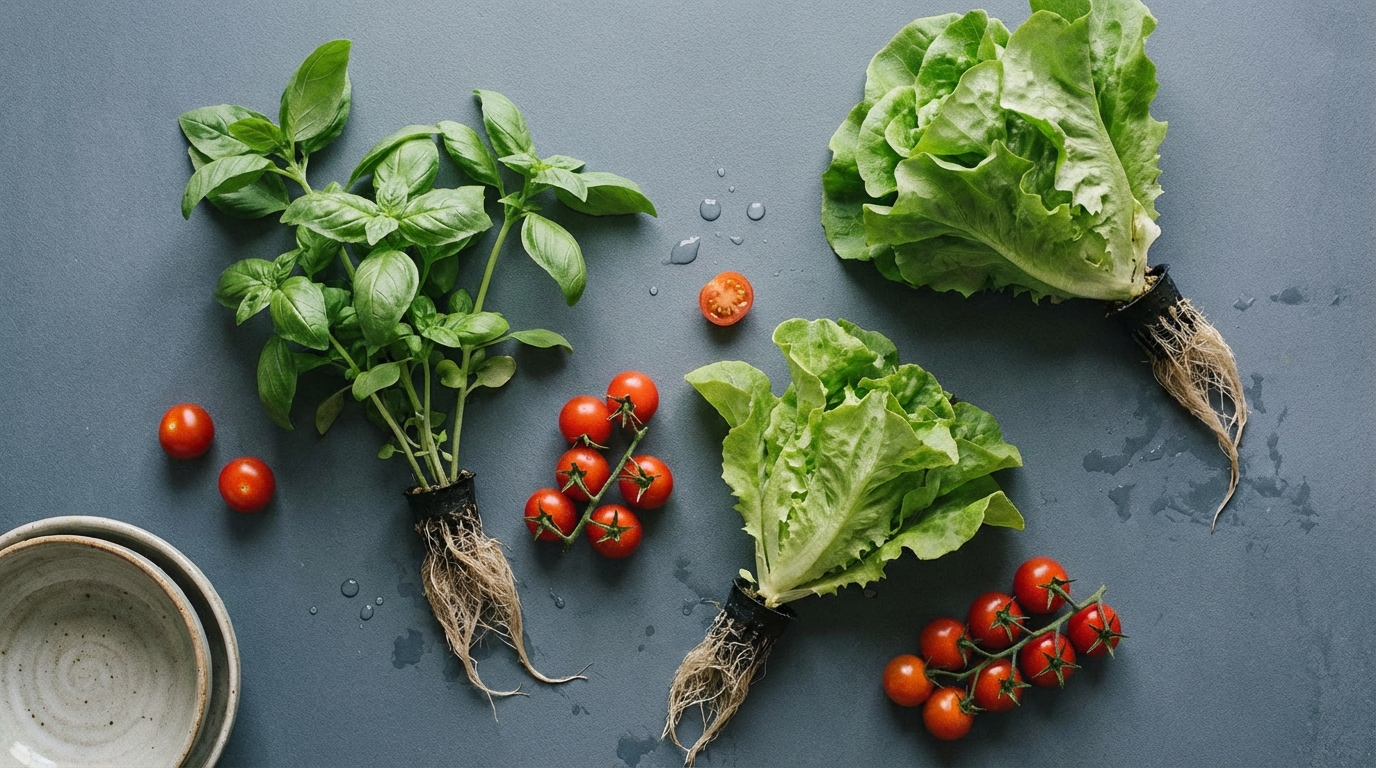
While theoretically, almost any plant can grow hydroponically, some thrive more readily than others. Leafy greens like lettuce, kale, and spinach are the standard bearers for the industry because they require lower light levels and simpler nutrient profiles.
However, fruiting plants like tomatoes, peppers, and strawberries are also popular, though they demand more support structure and complex nutrient management. Before stocking your system, review our curated list of the Best Plants to Grow in Hydroponics to ensure you are matching your flora to your skill level.
The Science of Nutrition: Nutrients and pH
In the absence of soil, you become the chemist. Your water source is a blank canvas, and the nutrient solution you add is the fuel. This is where precision becomes paramount. Plants require a balance of Macronutrients (Nitrogen, Phosphorus, Potassium) and Micronutrients (Iron, Calcium, Magnesium, etc.).
Furthermore, the pH level of your water acts as the gatekeeper. If the pH drifts too high (alkaline) or too low (acidic), a phenomenon known as "nutrient lockout" occurs, preventing roots from absorbing minerals even if they are present in the water.
Understanding these chemical interactions is the difference between a surviving plant and a thriving one. For a deep dive into mixing ratios and monitoring techniques, refer to our technical guide on Nutrients and pH Management for Success.
Setup Strategy: Build vs. Buy
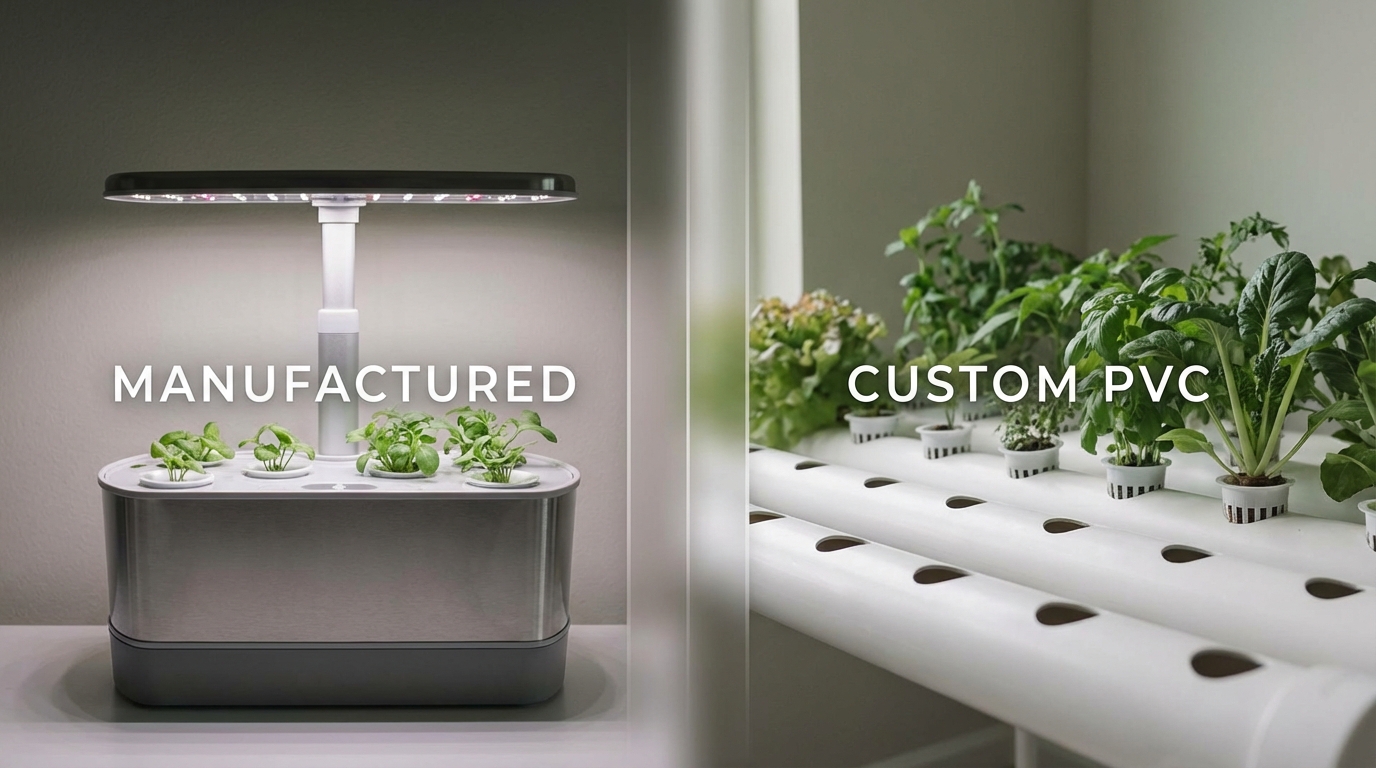
Once you understand the theory, the execution phase begins. The hydroponic market is flooded with sleek, all-in-one "smart garden" kits that automate lighting and watering. These are excellent for beginners who prioritize aesthetics and ease of use.
Conversely, building a system from hardware store components (PVC pipes, storage totes, aquarium pumps) offers modularity and significantly lower costs at scale. It allows you to customize the system to your exact spatial constraints.
Which route offers the best value for you? We break down the numbers in our DIY Hydroponic Setup vs. Kits: Cost Analysis.
Maintenance and Rhythm
A hydroponic garden is a living machine. Regular maintenance is required to keep the system sterile and efficient. A typical weekly workflow involves:
- Top-off: Adding fresh water to replace what plants have transpired.
- Testing: Checking pH and EC (Electrical Conductivity) levels daily or every other day.
- Observation: Inspecting roots for color (healthy roots are white/cream; brown indicates rot) and leaves for pests.
- Flushing: Changing the reservoir water entirely every 2-3 weeks to prevent salt buildup.
Conclusion
Hydroponic gardening is more than a hobby; it is a step toward self-sufficiency and a deeper understanding of plant biology. By controlling the environment, you remove the unpredictability of nature, leaving you with consistent, high-quality results. Whether you start with a single basil plant in a mason jar or a full-room NFT system, the principles of clean water, balanced nutrients, and adequate light remain the pillars of your success.