What is Hydroponics?
At its core, hydroponics is the practice of growing plants without soil. The word itself is derived from the Greek words hydro (water) and ponos (labor). In a comprehensive hydroponic gardening setup, soil is replaced by an inert growing medium—such as rockwool, clay pebbles, or coconut coir—which physically supports the plant but provides no nutritional value.
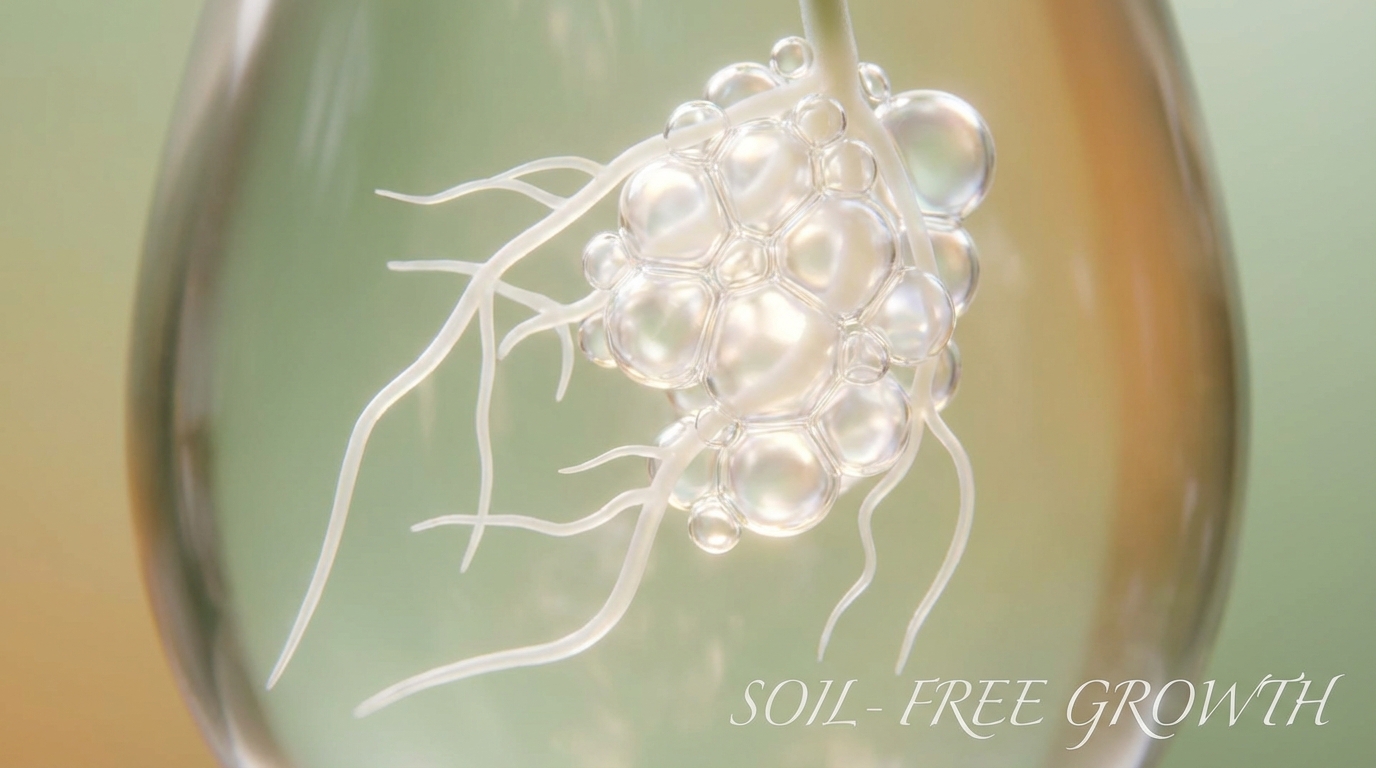
Instead of extracting minerals from the earth, plant roots are submerged in or sprayed with a nutrient-rich water solution. This direct access to nutrition allows plants to redirect the energy they would usually spend searching for food into vegetative growth and fruit production.
The Science: How It Works
To understand why hydroponics is so effective, we must debunk a common gardening myth: plants do not need soil. They need the elements soil typically holds. A successful hydroponic system delivers the "Holy Trinity" of plant growth directly to the root zone:
- Water: The transport vessel for life.
- Nutrients: Nitrogen, Phosphorus, Potassium, and micronutrients in a soluble form.
- Oxygen: Vital for root respiration (often the most overlooked factor by beginners).
When you eliminate the barrier of soil, you gain total control over the environment. You decide exactly what the plant eats and when. However, this precision requires understanding the chemistry of your water, specifically regarding nutrients and pH management. If the pH is too high or too low, "nutrient lockout" occurs, and the plant starves even if it is swimming in food.
The Advantages of Going Soil-Free
Why switch to hydroponics? The benefits extend far beyond the novelty factor. Whether you are an urban dweller with limited space or a gardener tired of weeding, hydroponics offers distinct advantages.
1. accelerated Growth Rates
Without the resistance of heavy soil, roots expand rapidly. Combined with a perfectly balanced diet, hydroponic plants can mature up to 30-50% faster than their soil-grown counterparts.
2. Water Efficiency
It sounds counterintuitive, but water-based gardening uses significantly less water than traditional gardening. In a closed-loop system, water is recirculated rather than draining away into the groundwater table. This makes it an eco-friendly choice for dry climates.
3. Space Optimization
Because roots don't need to spread out to forage for nutrients, you can plant crops much closer together. This density is why vertical farming is revolutionizing urban agriculture.
Essential Components of a Hydroponic System
While there are various configurations, every hydroponic setup relies on a few universal components. Before diving into specific architectures, ensure you are familiar with this hardware.
The Reservoir
This is the tank that holds your nutrient solution. It must be opaque to prevent algae growth (which thrives on light and nutrients) and should be made of food-grade plastic.
The Grow Tray or Channels
This is where the plants reside. Depending on the system, this might be a flood table, a PVC pipe, or a net pot sitting in a bucket lid.
Submersible Pump & Air Stone
Most active systems require a water pump to move the solution from the reservoir to the plants. Additionally, an air pump and air stone (similar to those in aquariums) are crucial for oxygenating the water to prevent root rot.
Grow Lights
Unless you are growing in a greenhouse, you will likely need artificial lighting. Modern full-spectrum LEDs are the industry standard, providing high efficiency with low heat output.
Choosing Your System
Hydroponics is not a "one size fits all" discipline. There are six main types of systems, ranging from passive setups with no moving parts to high-tech misting devices.
For beginners, Deep Water Culture (DWC) is often the entry point due to its simplicity, while Nutrient Film Technique (NFT) is preferred for leafy greens. Understanding the mechanics of each is vital before making a purchase. You can explore the specific mechanics of these methods in our guide to 6 Types of Hydroponic Systems Explained.
What Can You Grow?
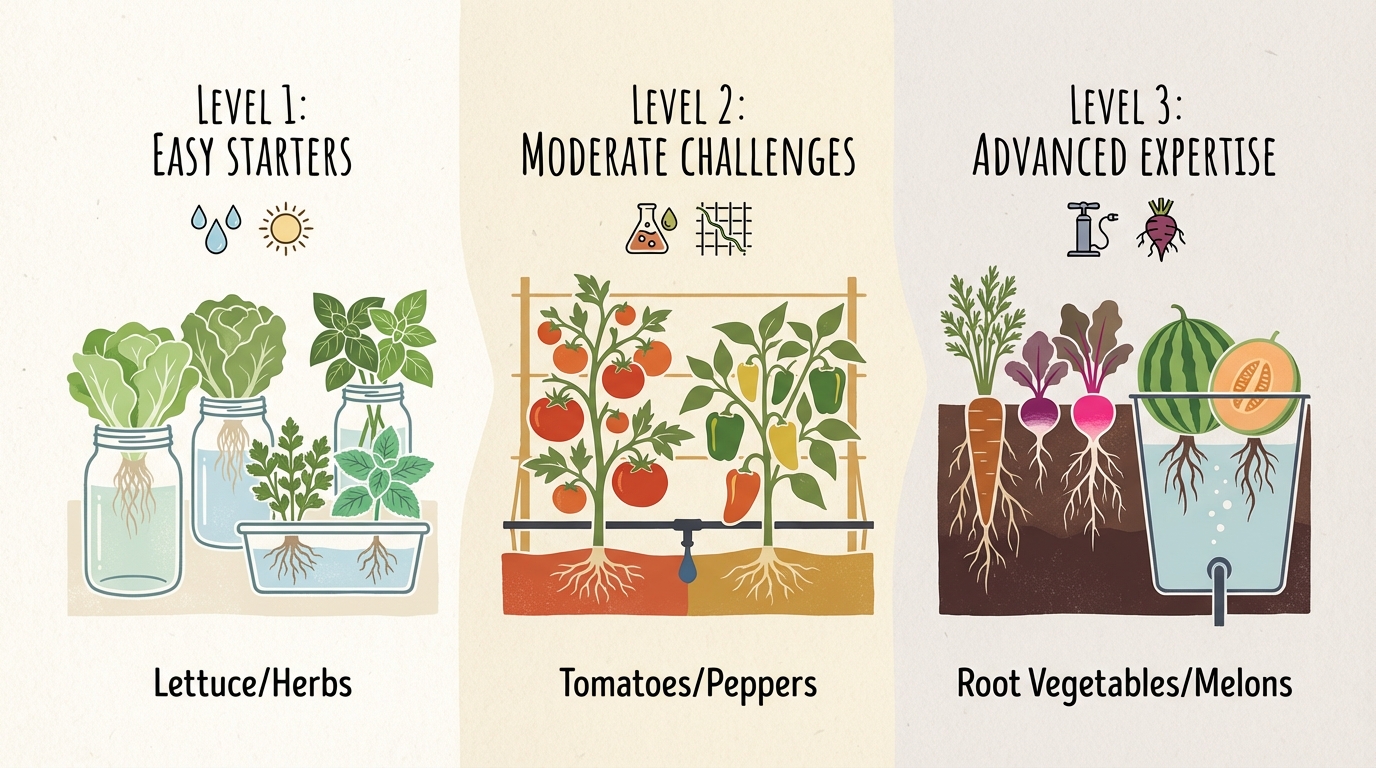
Technically, you can grow almost anything hydroponically, including root vegetables (though they are trickier). However, beginners should start with crops that are forgiving and yield quick results.
- Leafy Greens: Lettuce, Spinach, Kale (The easiest starting point).
- Herbs: Basil, Mint, Cilantro (Thrive in water-rich environments).
- Fruiting Plants: Tomatoes, Peppers, Strawberries (Require more support and nutrient management).
For a detailed breakdown of difficulty levels and crop suggestions, refer to our curated list of the best plants to grow in hydroponics.
Build vs. Buy: The Setup Dilemma
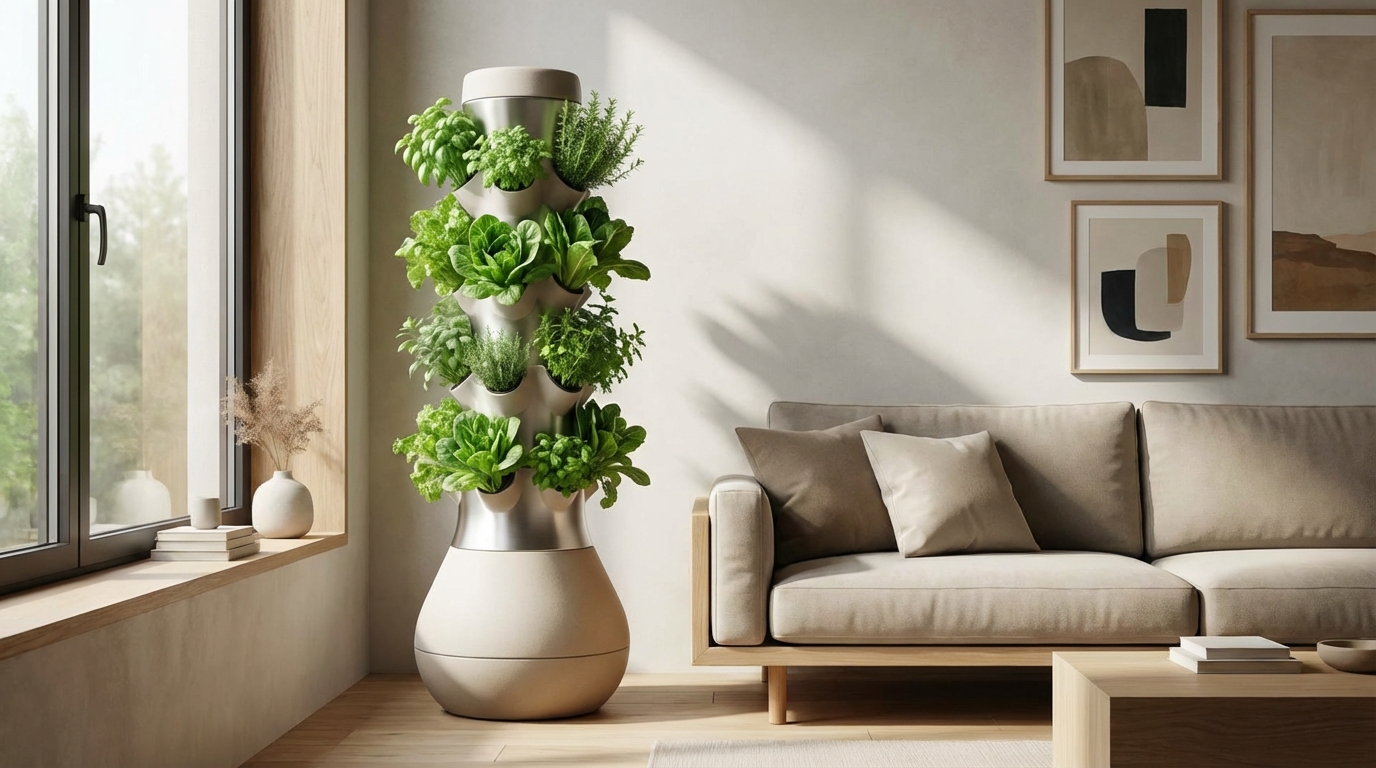
One of the first decisions you will face is whether to purchase a "turn-key" kit or build a system from scratch using components from a hardware store. Kits offer convenience and aesthetics, often fitting seamlessly into modern home decor. However, they come at a premium.
DIY setups utilizing storage totes and PVC pipes function just as well but require tools and a bit of engineering know-how. We have broken down the financial and time implications in our DIY Hydroponic Setup vs. Kits Cost Analysis.
The Learning Curve
While hydroponics offers incredible control, it also requires vigilance. In soil, the earth acts as a buffer against mistakes. In hydroponics, changes happen fast. If your pump fails or your pH spikes, plants can suffer within hours. Success lies in routine monitoring and maintaining a sterile environment.
By understanding the science and starting with a manageable system, you position yourself for a harvest that is cleaner, faster, and more abundant than anything the grocery store can offer.