Hydroponic gardening removes the variables of soil quality, allowing plants to reach their genetic potential faster and more robustly. However, the absence of soil means the gardener must act as nature's architect. While you can grow almost anything hydroponically with enough effort, certain plants are naturally predisposed to thrive in water-based environments.
If you are just starting your journey, we highly recommend reading our Hydroponics 101: The Ultimate Beginner's Guide to understand the fundamental mechanics before selecting your crops. For those ready to plant, we have categorized the best options by difficulty level and harvest type.
Level 1: Leafy Greens (The Beginners' Choice)
Leafy greens are the backbone of the hydroponic industry. They require lower light levels than fruiting plants, have simple nutrient requirements, and grow incredibly fast. Most greens are harvestable within 30 to 45 days.
1. Lettuce (Lactuca sativa)
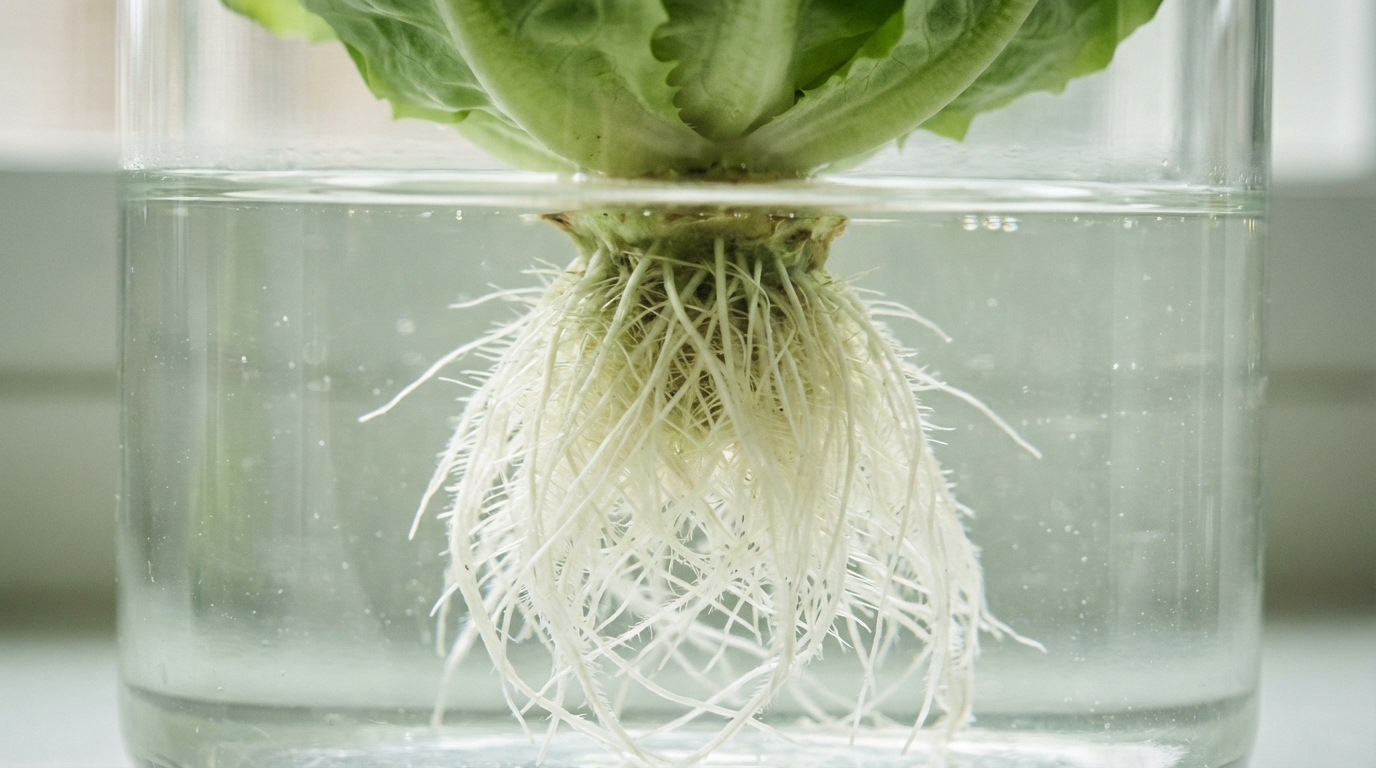
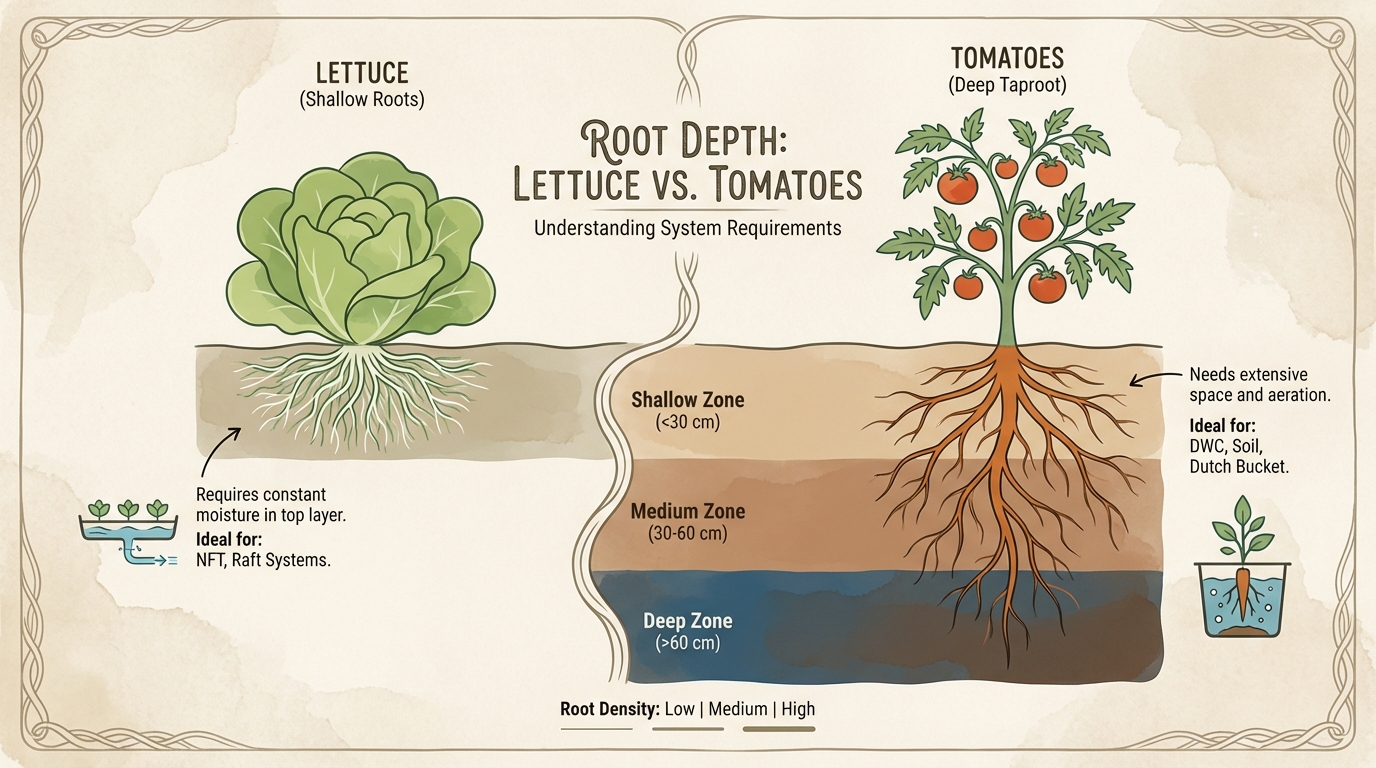
Lettuce is the quintessential hydroponic crop. It has a shallow root system that pairs perfectly with almost any setup, particularly Deep Water Culture (DWC) and Nutrient Film Technique (NFT). Varieties like Butterhead, Bibb, and Romaine are exceptionally crisp when grown without soil.
- Ideal System: NFT or DWC.
- pH Range: 6.0 – 7.0
- Harvest Time: 3-4 weeks.
2. Spinach (Spinacia oleracea)
Spinach grows rapidly but can be sensitive to heat. In a hydroponic reservoir, keeping the water temperature cool (below 75°F/24°C) is vital to prevent bolting (going to seed). It utilizes a significant amount of oxygen, making it a great candidate for systems with air stones.
3. Kale
Kale is a nutrient-hungry powerhouse. It grows much sweeter in hydroponic systems compared to soil because the consistent moisture prevents the leaves from becoming bitter. It is a robust plant that can survive wider pH fluctuations than spinach.
Level 2: Herbs (The Flavor Boosters)
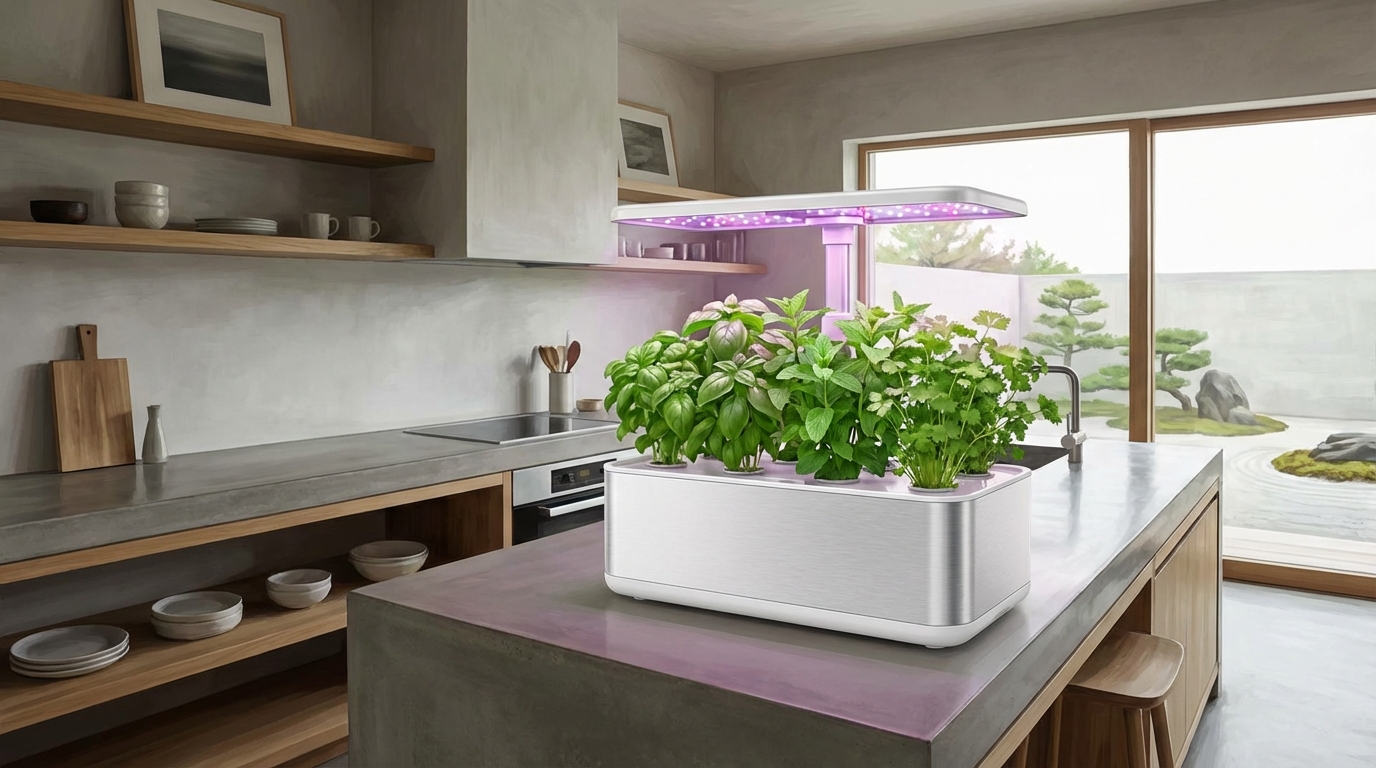
Herbs are arguably the best plants for home hydroponic systems because they are cut-and-come-again crops. You can harvest small amounts daily without killing the plant.
1. Basil
If lettuce is the queen of hydroponics, Basil is the king. It grows vigorously—often resembling a small bush—and the flavor profile of hydroponic Genovese basil is often far more intense than soil-grown counterparts. Note that basil needs high levels of nitrogen.
2. Mint
Mint is invasive in soil, and it is equally aggressive in water. Its roots will fill a reservoir quickly. We recommend planting mint in a dedicated system or a contained bucket so its roots do not choke out other plants.
Level 3: Fruiting Vegetables (Intermediate to Advanced)
Moving from leaves to fruits requires a shift in strategy. These plants are larger, heavier, and have two distinct growth stages: vegetative (growing leaves) and flowering (producing fruit). This transition requires careful Nutrients and pH Management to lower nitrogen and increase potassium and phosphorus during bloom.
1. Tomatoes
Tomatoes are rewarding but demanding. They require trellising to support the weight of the fruit. In hydroponics, determinate (bush) varieties are easier to manage than indeterminate (vining) varieties unless you have a large greenhouse.
Due to their large size, tomatoes often struggle in small countertop kits. You may need to look into a DIY Hydroponic Setup like a Dutch Bucket system to accommodate their extensive root structures.
2. Peppers
Both hot peppers (Jalapeño, Habanero) and sweet bell peppers thrive in hydroponics. They generally take up less vertical space than tomatoes but still require support. They are perennials, meaning if you maintain the environment, a single pepper plant can produce fruit for over a year.
3. Cucumbers
Hydroponic cucumbers are incredibly fast-growing. Bush varieties are preferred for indoor growing. Be warned: cucumbers are thirsty. A mature cucumber plant can drink nearly a gallon of nutrient solution a day, so ensure your reservoir is large enough to prevent the roots from drying out.
Matching the Plant to the System
Success isn't just about the seed; it's about the home you build for it. Not every system works for every plant. Before buying seeds, consider your hardware:
| Plant Type | Recommended System | Why? |
|---|---|---|
| Lettuce / Leafy Greens | NFT or DWC | Lightweight, constant hydration needed. |
| Herbs | Ebb & Flow or Wick | Likes oxygenation intervals. |
| Tomatoes / Peppers | Drip System / Dutch Bucket | Large root mass requires space and support. |
For a deeper dive into how these mechanical setups function, refer to our detailed guide on 6 Types of Hydroponic Systems Explained.
Berries and Exotic Options
Can you grow strawberries? Absolutely. Strawberries thrive in NFT systems, allowing the fruit to hang down without touching damp soil, which significantly reduces rot and pests. However, strawberries are sensitive to salt buildup, so monitoring your EC (Electrical Conductivity) is crucial.
Final Thoughts on Selection
If you are new to the world of water-based gardening, start small. A "salad garden" of lettuce, spinach, and basil will give you quick wins, build your confidence, and teach you the rhythm of checking pH and nutrient levels. Once you have mastered the greens, graduating to the juicy challenge of tomatoes and peppers becomes a much more manageable endeavor.
Ready to start building? Check out our cost analysis on DIY Hydroponic Setup vs. Kits to decide the best path for your budget.